Building a Strong Branding and Marketing Strategy for Skills Development in Congo
Category : | Sub Category : Posted on 2024-11-05 22:25:23
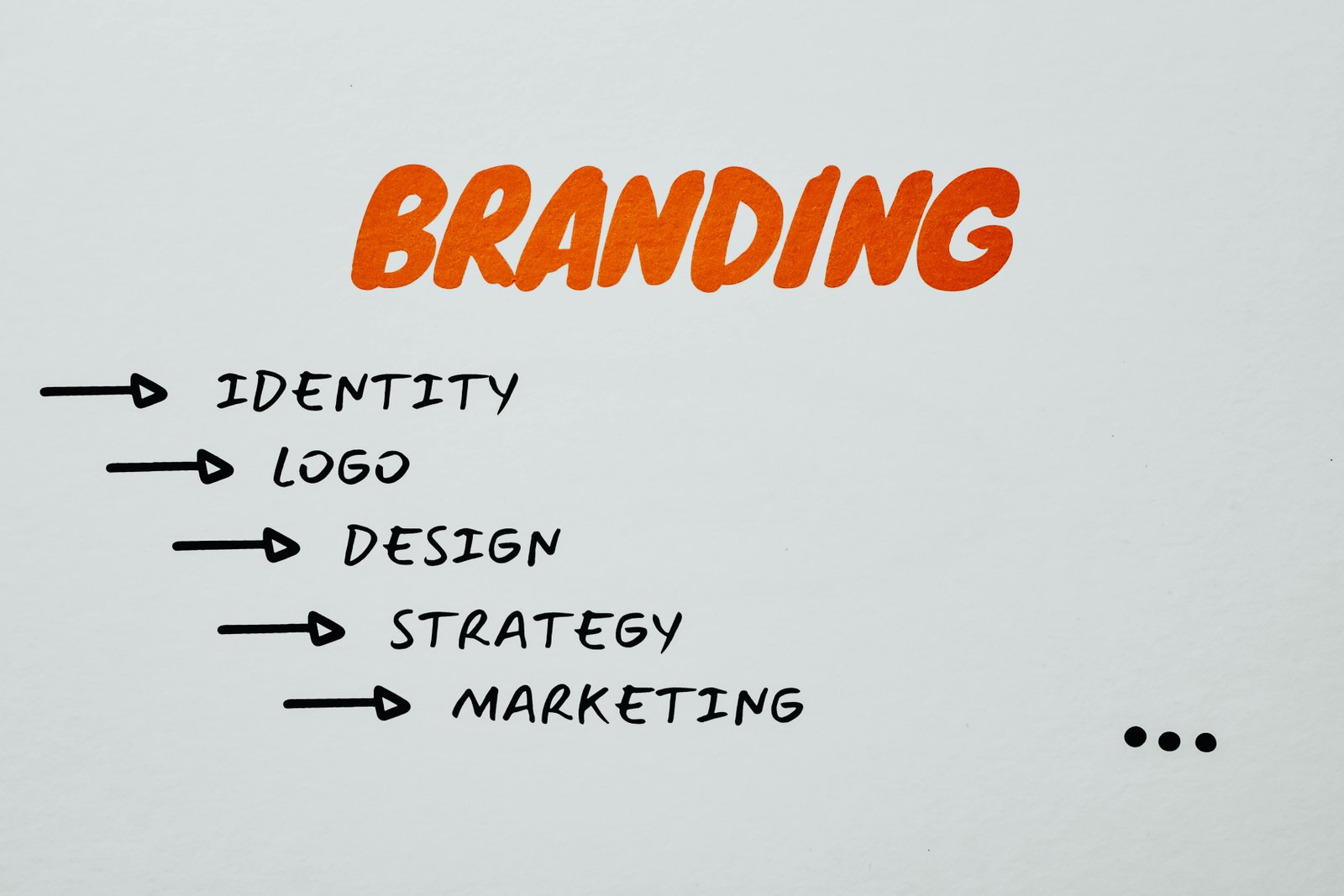
In a rapidly evolving global economy, the need for continuous skills development cannot be overstated. Particularly in countries like the Democratic Republic of the Congo, where the demand for skilled workers is on the rise, it is essential to have effective branding and Marketing strategies in place to attract individuals to engage in skill development programs. In this blog post, we will explore how organizations and institutions in Congo can build a strong branding and marketing strategy to promote skills development. 1. Understand Your Audience The first step in developing a successful branding and marketing strategy for skills development is to understand your target audience. Who are the individuals you are trying to reach? What are their needs, preferences, and challenges when it comes to acquiring new skills? By conducting thorough market research and gathering data on the demographics and psychographics of your target audience, you can tailor your branding and marketing efforts to resonate with them effectively. 2. Define Your Unique Value Proposition Once you have a clear understanding of your target audience, the next step is to define your unique value proposition. What sets your skills development programs apart from others in the market? Whether it's personalized learning experiences, industry-relevant curriculum, or high-quality instructors, highlighting your unique selling points can help differentiate your brand and attract learners. 3. Leverage Digital Marketing Channels In today's digital age, leveraging online marketing channels is crucial for reaching a wider audience and driving engagement. From social media platforms like Facebook and LinkedIn to email marketing campaigns and search engine optimization, digital marketing offers a plethora of tools to promote skills development programs effectively. By creating engaging content, sharing success stories, and engaging with your audience online, you can enhance brand visibility and attract prospective learners. 4. Build Strategic Partnerships Collaborating with other organizations, educational institutions, and government agencies can also bolster your branding and marketing efforts for skills development. By forming strategic partnerships, you can access new networks, tap into additional resources, and amplify your reach within the community. Consider partnering with local businesses, NGOs, or educational providers to co-create programs, organize events, or offer scholarships to aspiring learners. 5. Measure and Optimize Performance Lastly, it's essential to measure the performance of your branding and marketing initiatives for skills development regularly. By tracking key performance indicators such as website traffic, social media engagement, lead generation, and conversion rates, you can assess the effectiveness of your strategies and make data-driven decisions to optimize your campaigns. A/B testing, analytics tools, and feedback mechanisms can provide valuable insights to refine your branding and marketing approach continuously. In conclusion, establishing a strong branding and marketing strategy for skills development in Congo requires a deep understanding of the target audience, a compelling value proposition, a strong online presence, strategic partnerships, and a commitment to measuring and optimizing performance. By implementing these strategies effectively, organizations and institutions can attract more individuals to participate in skills development programs, ultimately contributing to the socio-economic development of the country.
https://desencadenar.org
Leave a Comment:
SEARCH
Recent News
- When it comes to marketing wool stoles, taking a provocative approach can be a powerful strategy to attract attention and stand out in a crowded market. By incorporating provocative elements into your marketing campaigns, you can create a buzz around your products and generate interest from potential customers.
- Winter is the perfect time to bundle up in cozy layers, and what better way to stay warm and stylish than with a fashionable winter stole? Winter stoles are not only a practical accessory for keeping the chill at bay, but they can also make a bold fashion statement when paired with the right outfit. In the world of fashion, provocative marketing plays a key role in capturing the attention of consumers and creating buzz around a product. When it comes to winter stoles, using provocative marketing tactics can help draw attention to these versatile accessories and showcase their unique style and functionality.
- Provocative Marketing Strategies: What Vancouver's Top Startups Are Doing
- Provacative Marketing Strategies for Vancouver Export-Import Businesses
- In the bustling city of Vancouver, businesses are constantly seeking innovative ways to capture the attention of consumers. One effective strategy that some companies are using is provocative marketing. This approach involves creating controversial or attention-grabbing campaigns to generate buzz and intrigue among potential customers.
- Provocative Marketing: Vancouver's Best Companies
- Provocative Marketing Techniques for UK Government Business Support Programs
- Provocative Marketing: Understanding UK Export-Import Rules
READ MORE
9 months ago Category :

When it comes to marketing wool stoles, taking a provocative approach can be a powerful strategy to attract attention and stand out in a crowded market. By incorporating provocative elements into your marketing campaigns, you can create a buzz around your products and generate interest from potential customers.
Read More →9 months ago Category :

Winter is the perfect time to bundle up in cozy layers, and what better way to stay warm and stylish than with a fashionable winter stole? Winter stoles are not only a practical accessory for keeping the chill at bay, but they can also make a bold fashion statement when paired with the right outfit. In the world of fashion, provocative marketing plays a key role in capturing the attention of consumers and creating buzz around a product. When it comes to winter stoles, using provocative marketing tactics can help draw attention to these versatile accessories and showcase their unique style and functionality.
Read More →9 months ago Category :

Provocative Marketing Strategies: What Vancouver's Top Startups Are Doing
Read More →9 months ago Category :
