Travel Branding and Marketing: Enhancing Economic Welfare through Theory and Practice
Category : | Sub Category : Posted on 2024-11-05 22:25:23
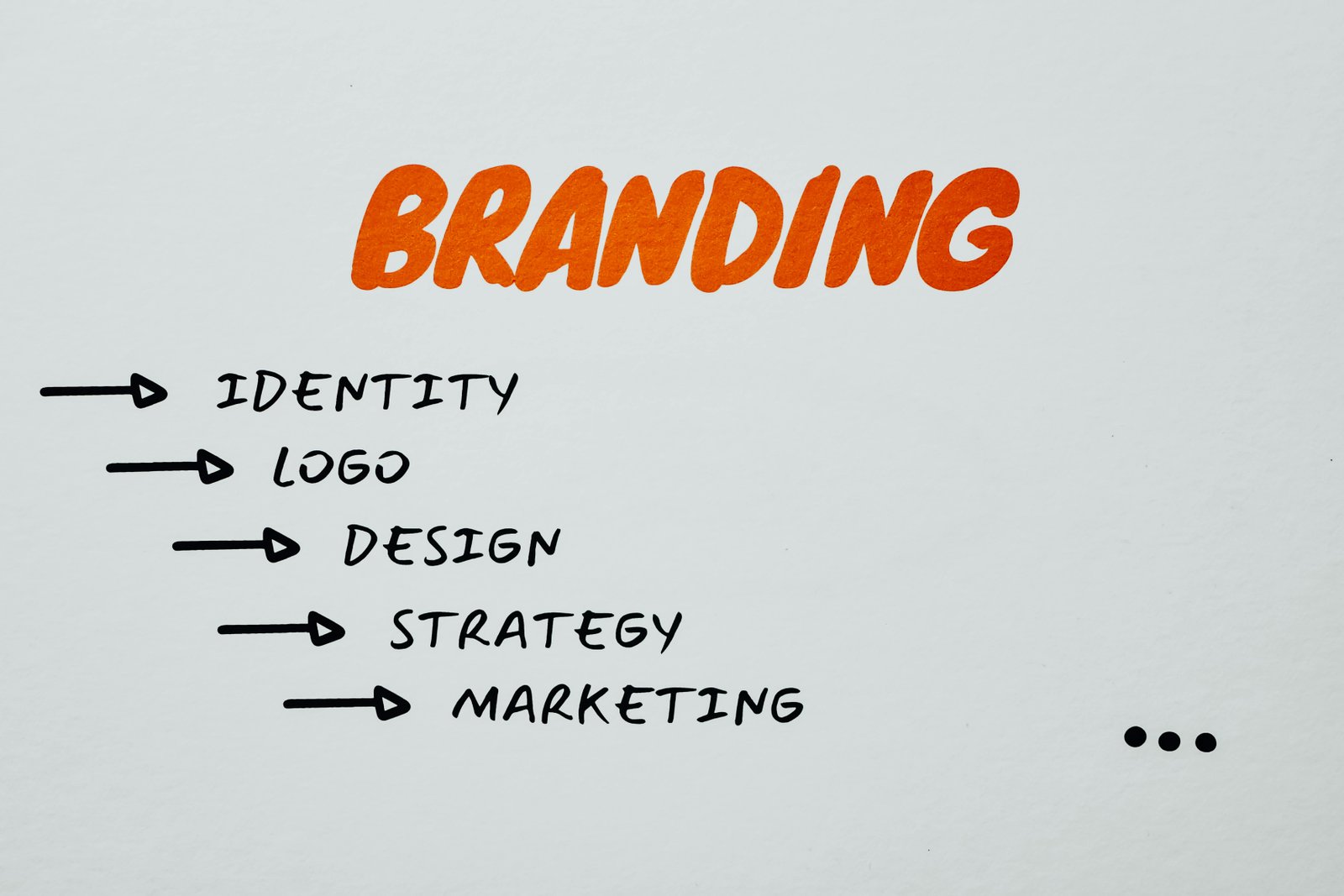
travel branding and marketing serve as powerful tools that can significantly impact economic welfare within the tourism industry. By understanding and applying economic welfare theory, destinations can create effective marketing strategies that attract tourists, drive economic growth, and enhance overall prosperity. Branding is a vital aspect of marketing for any travel destination. It involves creating a distinct identity and perception of a place in the minds of consumers. Strong travel branding can differentiate a destination from its competitors, drive visitor loyalty, and increase tourism revenues. Branding efforts often focus on highlighting a destination’s unique attractions, culture, and experiences to appeal to target audiences. In the realm of economic welfare theory, the concept of consumer surplus plays a crucial role in understanding the value that tourists derive from visiting a destination. Consumer surplus represents the difference between what consumers are willing to pay for a good or service and what they actually pay. In the context of travel, tourists may be willing to pay a premium to visit a destination that aligns with their preferences and expectations, creating economic value for the destination. Effective travel marketing strategies leverage economic welfare theory by emphasizing the value proposition of a destination to potential visitors. By showcasing the unique benefits and experiences that tourists can enjoy, destinations can attract more visitors and increase tourism spending. Moreover, targeted marketing efforts can help destinations reach specific market segments that are willing to pay higher prices for premium experiences, further enhancing economic welfare. In addition to attracting tourists, branding and marketing efforts can also contribute to the overall economic development of a destination. A strong destination brand can attract foreign investment, stimulate job creation in the tourism sector, and drive infrastructure development. These investments can have ripple effects throughout the local economy, leading to improved standards of living and increased prosperity for residents. Furthermore, effective branding and marketing can help destinations navigate economic challenges such as seasonality, competition, and changing consumer preferences. By staying attuned to market trends and continuously refining their brand messaging, destinations can maintain a competitive edge and sustain long-term economic growth. In conclusion, travel branding and marketing play a pivotal role in enhancing economic welfare within the tourism industry. By applying economic welfare theory to their marketing strategies, destinations can create compelling value propositions that attract tourists, drive economic development, and ultimately improve the overall prosperity of the destination. Through innovative branding initiatives and targeted marketing campaigns, destinations can position themselves for sustainable growth and success in an increasingly competitive global tourism market. To find answers, navigate to https://www.mimidate.com For the latest research, visit https://www.cotidiano.org Seeking in-depth analysis? The following is a must-read. https://www.topico.net
Leave a Comment:
SEARCH
Recent News
- When it comes to marketing wool stoles, taking a provocative approach can be a powerful strategy to attract attention and stand out in a crowded market. By incorporating provocative elements into your marketing campaigns, you can create a buzz around your products and generate interest from potential customers.
- Winter is the perfect time to bundle up in cozy layers, and what better way to stay warm and stylish than with a fashionable winter stole? Winter stoles are not only a practical accessory for keeping the chill at bay, but they can also make a bold fashion statement when paired with the right outfit. In the world of fashion, provocative marketing plays a key role in capturing the attention of consumers and creating buzz around a product. When it comes to winter stoles, using provocative marketing tactics can help draw attention to these versatile accessories and showcase their unique style and functionality.
- Provocative Marketing Strategies: What Vancouver's Top Startups Are Doing
- Provacative Marketing Strategies for Vancouver Export-Import Businesses
- In the bustling city of Vancouver, businesses are constantly seeking innovative ways to capture the attention of consumers. One effective strategy that some companies are using is provocative marketing. This approach involves creating controversial or attention-grabbing campaigns to generate buzz and intrigue among potential customers.
- Provocative Marketing: Vancouver's Best Companies
- Provocative Marketing Techniques for UK Government Business Support Programs
- Provocative Marketing: Understanding UK Export-Import Rules
READ MORE
9 months ago Category :

When it comes to marketing wool stoles, taking a provocative approach can be a powerful strategy to attract attention and stand out in a crowded market. By incorporating provocative elements into your marketing campaigns, you can create a buzz around your products and generate interest from potential customers.
Read More →9 months ago Category :

Winter is the perfect time to bundle up in cozy layers, and what better way to stay warm and stylish than with a fashionable winter stole? Winter stoles are not only a practical accessory for keeping the chill at bay, but they can also make a bold fashion statement when paired with the right outfit. In the world of fashion, provocative marketing plays a key role in capturing the attention of consumers and creating buzz around a product. When it comes to winter stoles, using provocative marketing tactics can help draw attention to these versatile accessories and showcase their unique style and functionality.
Read More →9 months ago Category :

Provocative Marketing Strategies: What Vancouver's Top Startups Are Doing
Read More →9 months ago Category :
