Navigating the Legal Landscape of Web Development: Laws, Regulations, and Branding Marketing
Category : | Sub Category : Posted on 2024-11-05 22:25:23
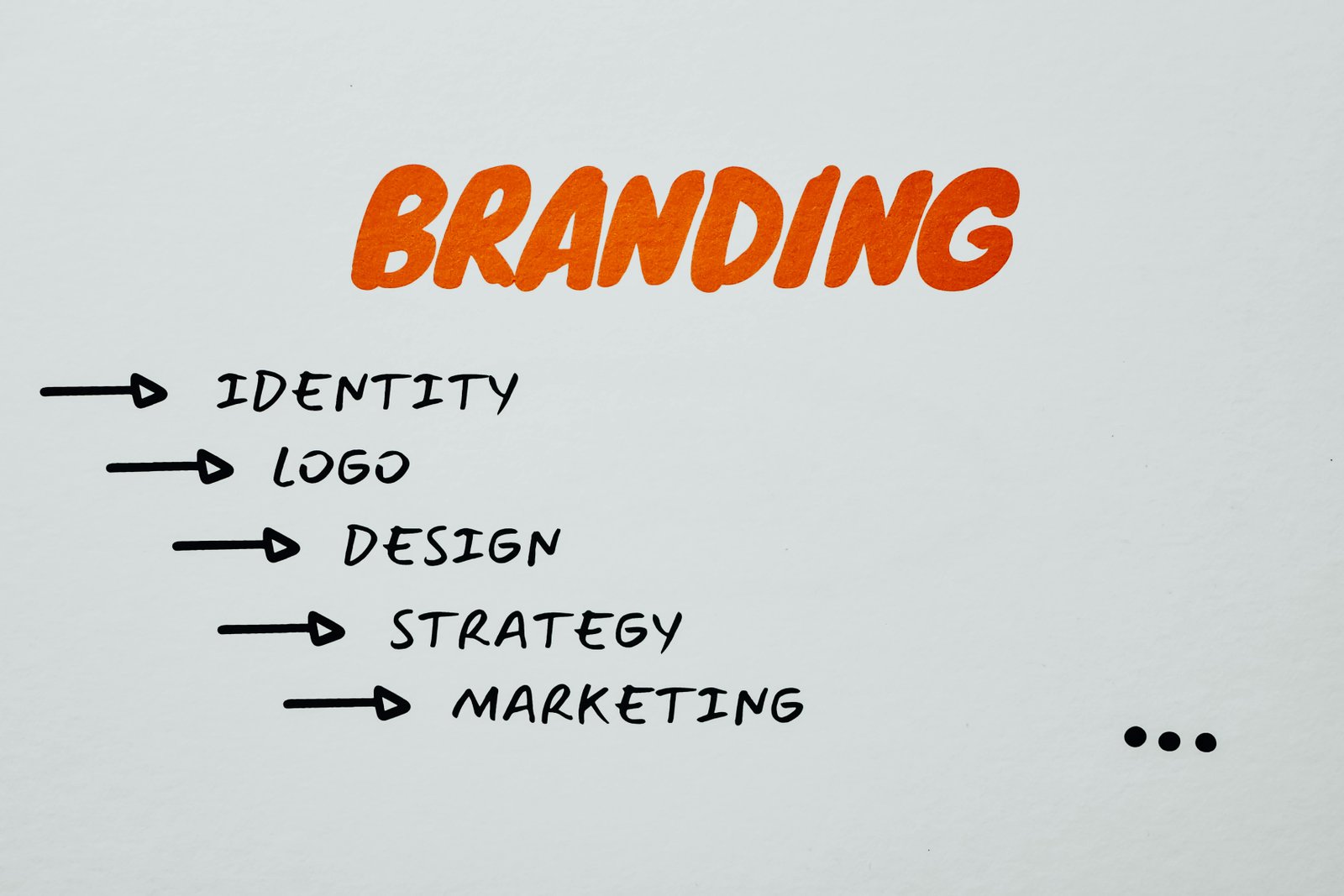
In the fast-paced world of web development, staying on top of legal requirements is crucial for success. As developers create websites and applications, they must be aware of laws and regulations that govern the internet to avoid potential legal issues down the road. Additionally, incorporating branding and Marketing strategies into web development projects can help businesses stand out in a competitive market. Let's dive in and explore how developers can navigate these important aspects of web development. Laws and Regulations in Web Development: When it comes to web development, there are several key laws and regulations that developers should be familiar with to ensure compliance and protect their projects. Some of the most important legal considerations include: 1. Privacy Laws: With the increasing focus on data privacy, developers must adhere to laws such as the General Data Protection Regulation (GDPR) in Europe and the California Consumer Privacy Act (CCPA) in the United States. These laws govern how personal data is collected, stored, and processed on websites. 2. Copyright and Intellectual Property Laws: Developers must also be mindful of copyright laws when creating websites and applications to avoid infringing on the intellectual property rights of others. This includes using licensed software and images, as well as obtaining permission to use copyrighted content. 3. Accessibility Laws: Websites must be accessible to individuals with disabilities to ensure equal access to information and services. Developers should follow guidelines such as the Web Content Accessibility Guidelines (WCAG) to make their websites accessible to all users. Branding and Marketing in Web Development: Incorporating branding and marketing strategies into web development projects can help businesses establish a strong online presence and attract customers. Some key considerations for branding and marketing in web development include: 1. Consistent Branding: Developers should design websites that reflect the brand's identity, including using consistent colors, fonts, and imagery. A cohesive brand experience can help build brand recognition and trust with users. 2. SEO Optimization: Search engine optimization (SEO) is essential for driving organic traffic to websites. Developers should optimize websites for relevant keywords, create high-quality content, and build backlinks to improve search engine rankings. 3. User Experience: A positive user experience is critical for engaging visitors and converting them into customers. Developers should focus on creating intuitive navigation, fast loading times, and mobile responsiveness to enhance the user experience. By paying attention to legal requirements, branding strategies, and marketing techniques, web developers can create websites and applications that not only comply with regulations but also effectively promote businesses online. Staying informed and proactive in these areas can help developers unlock the full potential of their web development projects and achieve long-term success in the digital landscape.
https://desencadenar.org
https://vollmacht.org
Leave a Comment:
SEARCH
Recent News
- When it comes to marketing wool stoles, taking a provocative approach can be a powerful strategy to attract attention and stand out in a crowded market. By incorporating provocative elements into your marketing campaigns, you can create a buzz around your products and generate interest from potential customers.
- Winter is the perfect time to bundle up in cozy layers, and what better way to stay warm and stylish than with a fashionable winter stole? Winter stoles are not only a practical accessory for keeping the chill at bay, but they can also make a bold fashion statement when paired with the right outfit. In the world of fashion, provocative marketing plays a key role in capturing the attention of consumers and creating buzz around a product. When it comes to winter stoles, using provocative marketing tactics can help draw attention to these versatile accessories and showcase their unique style and functionality.
- Provocative Marketing Strategies: What Vancouver's Top Startups Are Doing
- Provacative Marketing Strategies for Vancouver Export-Import Businesses
- In the bustling city of Vancouver, businesses are constantly seeking innovative ways to capture the attention of consumers. One effective strategy that some companies are using is provocative marketing. This approach involves creating controversial or attention-grabbing campaigns to generate buzz and intrigue among potential customers.
- Provocative Marketing: Vancouver's Best Companies
- Provocative Marketing Techniques for UK Government Business Support Programs
- Provocative Marketing: Understanding UK Export-Import Rules
READ MORE
11 months ago Category :

When it comes to marketing wool stoles, taking a provocative approach can be a powerful strategy to attract attention and stand out in a crowded market. By incorporating provocative elements into your marketing campaigns, you can create a buzz around your products and generate interest from potential customers.
Read More →11 months ago Category :

Winter is the perfect time to bundle up in cozy layers, and what better way to stay warm and stylish than with a fashionable winter stole? Winter stoles are not only a practical accessory for keeping the chill at bay, but they can also make a bold fashion statement when paired with the right outfit. In the world of fashion, provocative marketing plays a key role in capturing the attention of consumers and creating buzz around a product. When it comes to winter stoles, using provocative marketing tactics can help draw attention to these versatile accessories and showcase their unique style and functionality.
Read More →11 months ago Category :

Provocative Marketing Strategies: What Vancouver's Top Startups Are Doing
Read More →11 months ago Category :
